Every Brushstroke Tells a Story
Born into a Bengali family with deep roots in Kolkata and raised in Mumbai, Mitu Basu grew up with an unusual sensitivity to the world around her. As a child, a teacher once asked her students to notice five unusual things on the walk back from lunch each day. What began as a classroom exercise became a lifelong way of seeing — attentive, observant, and quietly transformative.
Her mother taught her that living itself is an art. Her brother showed her that a creative life was not only possible, but necessary. At eighteen, when asked what she wanted to do with her life, her answer came instantly: a collector of experiences. That instinct would shape everything that followed.
She began in advertising, moved through design and publishing, and later rose to become General Manager of Corporate Communications for The Leela Group of Hotels, where she worked across PR, design, marketing, and publishing. Every role added a new skill. Every chapter deepened her understanding of how to tell stories, shape perception, and connect people with beauty. Without fully knowing it, she was gathering the very tools she would one day place in the service of artists.
Then Santiniketan Happened. And Nothing Was the Same.
Every skill was in place.
Every reason to wait had run out.
The real turning point came at Santiniketan. She arrived on study leave and found herself surrounded by artists of extraordinary talent. There, she saw with complete clarity what was missing — not talent, but a bridge. A bridge between the artist and the world that needed to see their work.
In 2010, that conviction became Dolna — not in a boardroom, but in a conversation about a swing. When asked what she wanted to create, Mitu answered in an image: “I see artists sitting on my swing, getting the push they need to fly high.” A friend named it Dolna — the Bengali word for swing. It was also the name of her late mother. The name carried both memory and meaning. From the beginning, Dolna was an act of belief.
Building an Address for Artists
Over the next sixteen years, Mitu built Dolna by taking art out of intimidating galleries and placing it where people already lived, gathered, celebrated, and paused — hotels, malls, clubs, weddings, colleges, and courtyards. Every event featured live painting, allowing people to witness a blank canvas transform in real time. That immediacy made art feel open, human, and alive.
Her commitment was always to the artist. Over 250 exhibitions later, she has never asked artists to bear the cost of travel, stay, or participation. What mattered was not name, access, or privilege, but merit, transparency, and one fair chance to be seen. That is not a dream. That is the least we can do.
When Everything Stopped, She Listened
Then came the Covid pause, and with it, a deeper listening. From that stillness emerged the soon-to-be-launched Visible to Viable — a practical handbook for Indian artists — and a sharper new evolution of the brand itself. Dolna became Dolna Art, a more focused and future-facing address built for the living artist.
Today, Dolna Art ensures artists receive 85% of each sale amount, uses blind jury selection, and places folk, traditional, modern, and contemporary voices on the same stage. Every genre stands shoulder to shoulder. Every voice matters.
Discovering Wonder
Nature is her muse—sometimes for its beauty, sometimes for the lessons it holds within. Through memory and imagination, she paints to remind us of gratitude, happiness, and the overlooked marvels of the world.
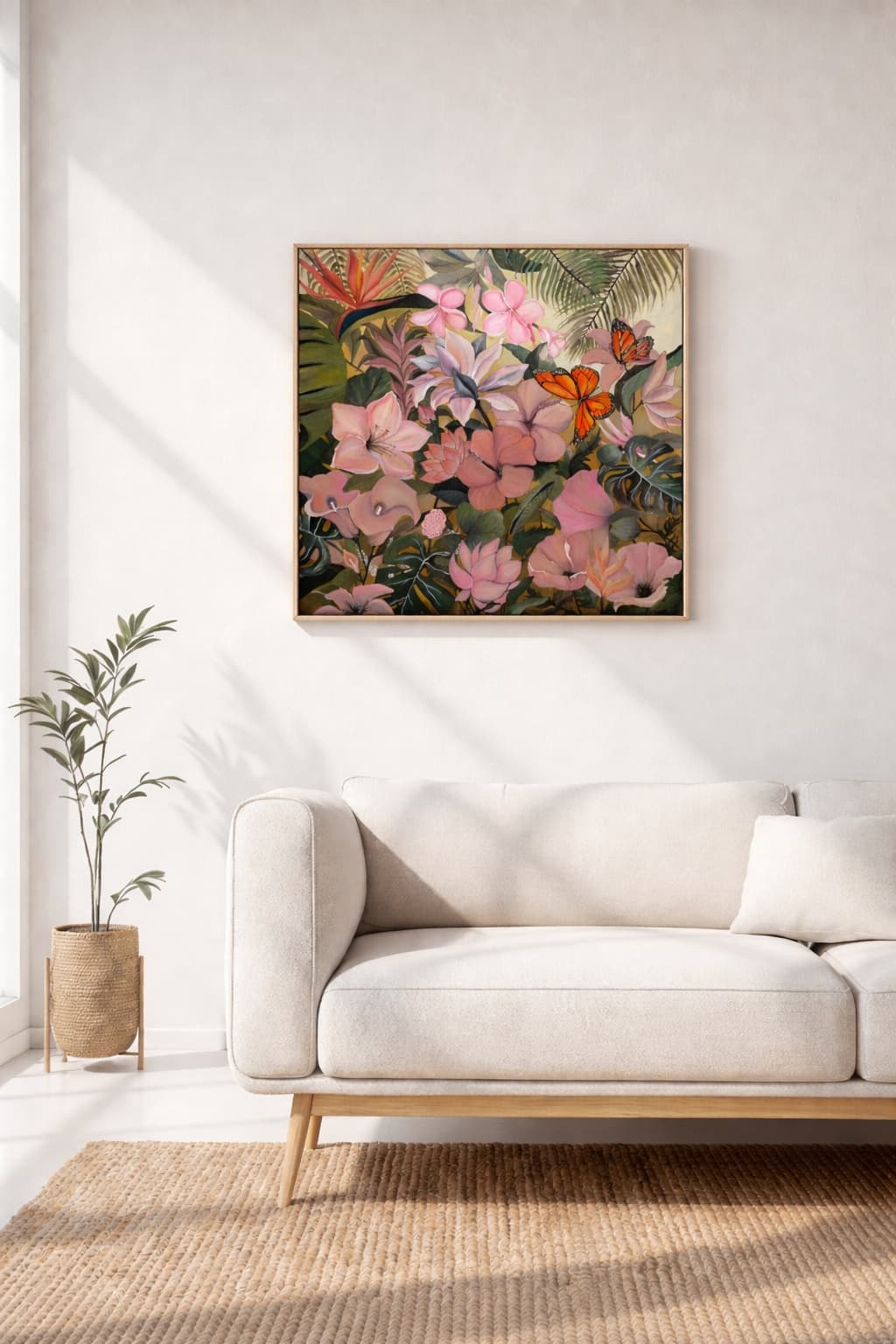
Close Encounters
Seeing the world rush past, She captures nature’s beauty on canvas and brings it indoors—so you may have time to stop and stare.
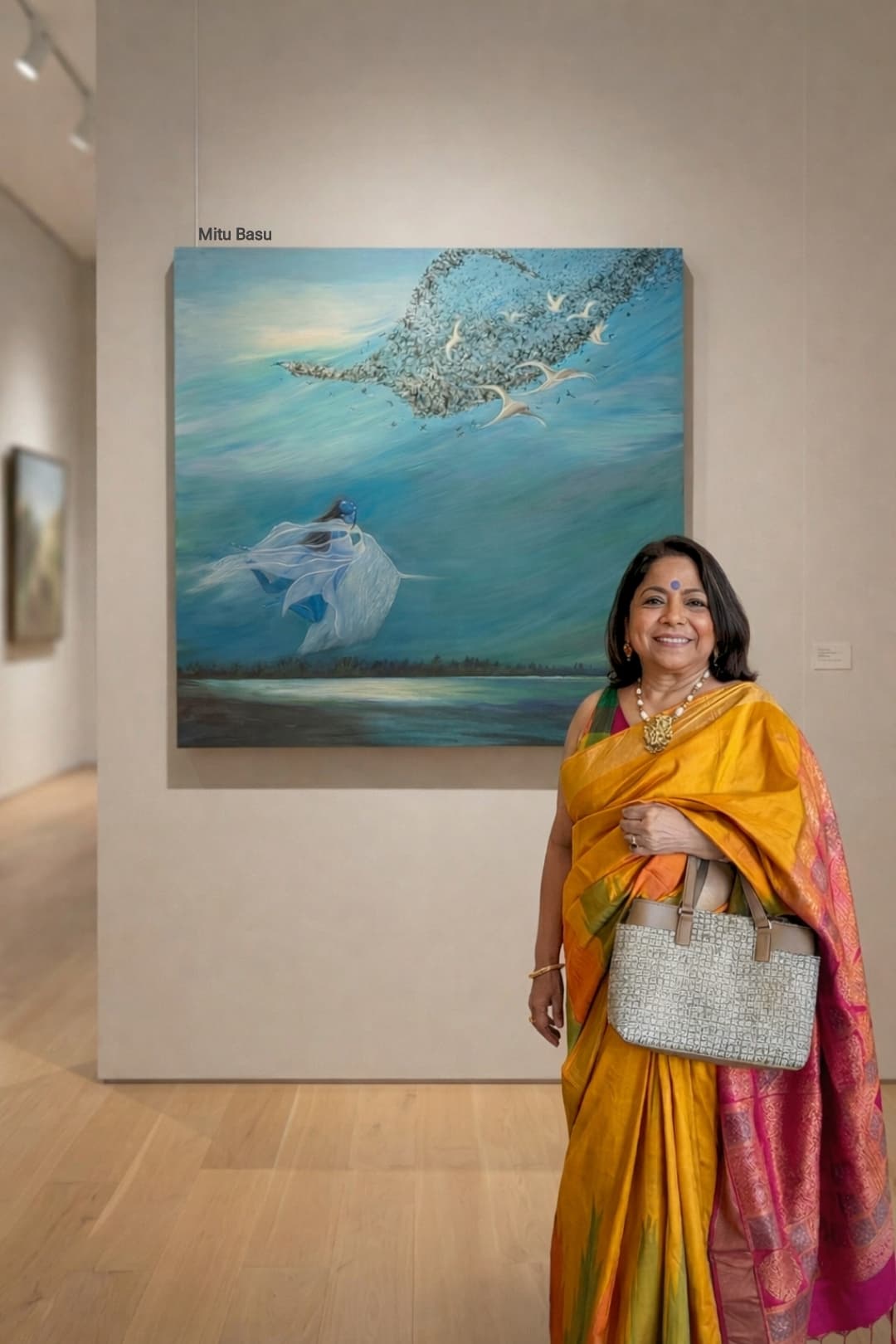
Expanse Reclaimed
Painted bliss. So you can dip into it whenever you want pepping up.
India Rising- The Next Chapter
With India Rising 2026 and The Blank Canvas, Dolna Art now enters its next chapter — as a living, evolving address where artists, audiences, and opportunities meet with intent.
For Mitu, the journey was never about following a straight path. It was about listening to conviction, embracing reinvention, and building the kind of space she knew artists truly needed.
Dolna Art is that belief, made real.
Every artist deserves one fair chance to be seen. That is not a dream. That is the least we can do.